A Beginner’s Guide to Installing Solar Panels in Pennsylvania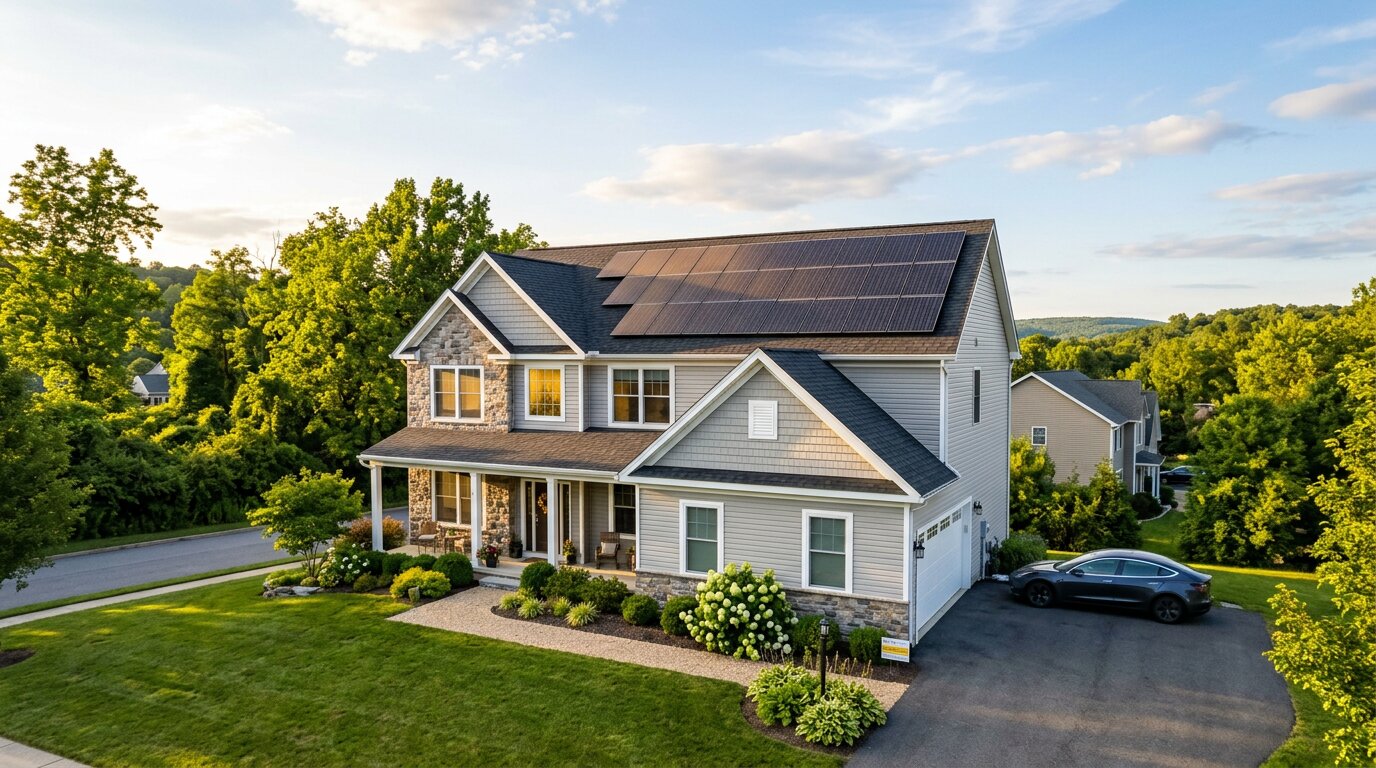
If you’re thinking about installing solar panels in Pennsylvania, you’re in a strong position. The state offers solid solar potential and incentives, making it easier for homeowners to start saving on energy bills. With the right system, you can increase your home’s value and cut your carbon footprint. So, before you jump in, it’s smart to look at key factors that help determine if solar will really work for your home. Evaluating Your Home’s Suitability for SolarDetermining the suitability of your home for solar panel installation involves several practical considerations. First, assess your roof's age, structural integrity, and orientation, as these factors significantly influence system performance. In Pennsylvania, a roof that receives adequate sunlight year-round typically yields better energy output; south-facing roofs are generally ideal for solar applications, as detailed in guides like Solar Panels in Pennsylvania. It is advisable to seek the expertise of a local solar installer or sales engineer, who can provide insights into the specific licensing and certification requirements relevant to your area. Reading customer reviews and obtaining detailed quotes from multiple providers can help you make an informed decision. Additionally, it is important to consult with your utility provider and homeowners' association regarding any necessary permits and interconnection applications. Utilizing online tools or software can also aid in identifying the most suitable energy options for your situation. Engaging in thorough research at this stage can ultimately result in both time and cost savings. Understanding the Costs and Financial BenefitsInstalling solar panels in Pennsylvania involves an upfront cost, but several factors contribute to its financial feasibility for homeowners. Costs for a residential photovoltaic (PV) system typically range between $10,000 and $30,000, influenced by variables such as system size, brand selection, and installation complexities. Financial incentives play a significant role in mitigating these costs. Homeowners may take advantage of federal tax credits, which can reduce the overall expenditure. Additionally, Pennsylvania's Solar Renewable Energy Credit (SREC) program enables homeowners to earn credits based on the amount of energy their systems produce, further offsetting expenses. Moreover, net metering arrangements with utility companies can lead to reductions in annual electricity bills, as homeowners receive credits for excess energy generated by their solar systems that is fed back into the grid. It is advisable for homeowners considering solar energy to obtain multiple quotes from licensed installers, ensuring they choose a provider with a solid reputation and appropriate qualifications. Evaluating reviews and verifying licenses can contribute to a more informed decision-making process. The Solar Panel Installation Process in PennsylvaniaOnce solar energy has been identified as a feasible option for a residence, the next step involves selecting a qualified local installer who will assist throughout the installation process. In Pennsylvania, this begins with a consultation to identify the appropriate solar photovoltaic (PV) system that aligns with the specific characteristics of your roof and your energy requirements. During the consultation, the installation team will conduct an assessment of your rooftop, employing software tools to evaluate the solar exposure your roof receives. This assessment is critical, as it influences both system design and overall energy production. Additionally, the installer must verify that your home's electrical infrastructure complies with industry standards to ensure a safe and efficient installation. The permitting process includes the submission of interconnection applications and obtaining necessary permits, which typically involves coordination with both local authorities and utility companies. This phase can take between six to ten weeks, depending on local regulations and processing times. Following successful permitting, the installation of the solar system is carried out. Once installed, the system is activated, and online monitoring capabilities are initiated to track performance and energy generation. This structured approach ensures that the installation is conducted efficiently and in compliance with all relevant guidelines. Incentives, Rebates, and Financing OptionsFinancial incentives significantly influence the decision-making process for Pennsylvania homeowners considering solar panel installation. The federal tax credit offers a reduction of up to 30% on the total installation costs, which can enhance the economic viability of such investments. Additionally, Pennsylvania has implemented a Solar Renewable Energy Certificate (SREC) program that provides financial rewards for the generation of solar energy, offering ongoing revenue streams for system owners. Net metering further contributes to cost savings by allowing homeowners to offset their utility expenses with any excess electricity produced by their solar systems. This mechanism enables users to "bank" surplus energy, which can be used to lower their bills during periods of higher consumption. Homeowners interested in solar energy should utilize resources such as the Database of State Incentives for Renewables & Efficiency (DSIRE) and engage in consultations with local solar installers to understand the specific options applicable to their situation. The availability of incentives can vary based on individual circumstances, including the characteristics of the home, the existing electrical infrastructure, and local governmental regulations. It is advisable to obtain multiple quotes and assess installer credentials, including proper licensing and reviews from past customers, to make an informed decision. Given the current incentives and programs, this may be a suitable time to consider the installation of photovoltaic (PV) rooftop panels, although individual financial circumstances and local market conditions should be carefully analyzed before proceeding. Maintenance and Long-Term Care of Your Solar SystemProper maintenance and long-term care of a solar system is essential for ensuring optimal performance and maximizing the lifespan of the investment. In Pennsylvania, it is important to conduct periodic cleaning and inspections due to the potential accumulation of debris on rooftop panels. Regular monitoring of energy output through online platforms can help track the system's efficiency and verify that it generates adequate power annually. Photovoltaic (PV) panels typically have a lifespan of 25 to 30 years when maintained correctly, and many come with warranties that provide coverage for a substantial portion of this period. Consultation with a licensed installer or local utility company is advisable for guidance on necessary permits and interconnection processes. At the end of their operational life, disposal of solar panels should follow Environmental Protection Agency (EPA) guidelines to minimize environmental impact. By adhering to recognized industry standards and collaborating with a reputable maintenance team, users can effectively safeguard their investment, ultimately saving both time and financial resources. ConclusionSwitching to solar power in Pennsylvania isn’t just about saving on electricity—it’s about making a long-term investment in your home and the environment. By carefully evaluating your home, understanding costs and local incentives, and selecting a reputable installer, you’ll set yourself up for years of reliable energy savings. With proper maintenance, your solar system will continue to provide benefits well into the future. If you’re ready for energy independence, now’s a smart time to make the switch. |
|
|